


-
Address:
-
Phone: +65 8914 6529
-
Email: [email protected]

 English
Your cart
0 items
Shopping cart is empty (0 item)
English

In the heavy civil engineering, maritime, and structural fabrication sectors, standard solid-ram lifting cylinders are strictly limited to applying vertical pushing forces against gravity. However, highly complex industrial operations—such as post-tensioning concrete bridge cables, extracting seized structural pins from heavy machinery, testing the tensile yield of deep concrete anchor bolts, or pulling heavy bearings onto massive industrial shafts—require a tool capable of applying extreme, highly controlled pulling forces. Operating without specialized tensioning equipment forces technicians to rely on hazardous thermal expansion techniques or unregulated mechanical winches, which frequently result in catastrophic structural failure, expensive equipment destruction, or severe operator injury.
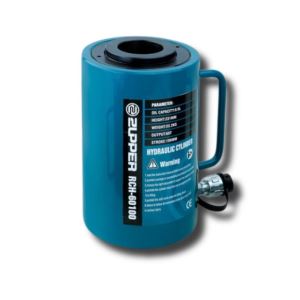
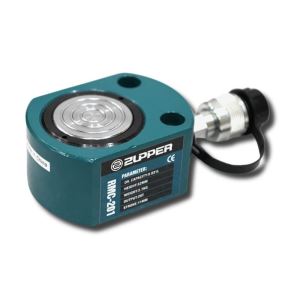
The Zupper RCH-60100 hollow plunger hydraulic cylinder is engineered specifically to execute these high-tonnage pulling and tensioning operations with absolute safety and mechanical precision. Characterized by its continuous center-hole architecture, this single-acting hydraulic actuator delivers a maximum rated load capacity of 60 tons (600 KN) over an extended physical stroke. Designed to accommodate steel cables, heavy-duty chains, or threaded high-tensile steel rods directly through its central axis, the RCH-60100 provides mechanical engineers with an unmatched method of converting 700-bar hydraulic fluid pressure into devastatingly precise, linear pulling force. Integrating this heavy-duty cylinder into major rigging operations ensures absolute compliance with strict international safety tolerances during critical structural tensioning projects across Singapore and Malaysia.
The core engineering advantage of the hydraulic jack RCH-60100 lies entirely in its specialized internal geometric design. While traditional bottle jacks and lifting cylinders utilize a solid steel ram to push payloads upward, the RCH-60100 features a precision-machined 54mm hollow bore extending entirely through the length of the external cylinder housing and the internal plunger itself.
Linear tensioning dynamics: This hollow core fundamentally transforms the cylinder from a basic lifting tool into a dynamic, high-capacity pulling mechanism. A rigging technician can thread a high-tensile steel rod completely through the center of the cylinder. By securing a heavy-duty locking nut on the rod resting against the top saddle of the plunger, and anchoring the other end of the rod to the target payload (such as a seized bearing or a bridge tendon), the system is primed. As hydraulic fluid enters the cylinder base, it forces the plunger upward. This upward motion pushes against the top locking nut, pulling the entire threaded rod—and the attached payload—through the stationary cylinder body with 60 tons of linear force.
Axial load distribution: Because the tensioning rod passes precisely through the dead-center of the cylinder, the reactive pulling forces are distributed perfectly symmetrically across the cylinder's internal polyurethane seals and solid steel base. This perfect axial alignment eliminates the severe eccentric (off-center) stress that typically destroys standard hydraulic equipment during off-axis pulling attempts, thereby preserving the structural integrity of the internal cylinder walls and preventing catastrophic pressure blowouts during critical lifts.
Tensioning heavy steel suspension cables or extracting deeply embedded foundation pins requires not only massive force but also sufficient physical distance to complete the operation in a continuous, fluid cycle without constant resetting and load transferring.
600KN kinetic potential: The primary internal chamber is engineered to accept and harness 700-bar (10,000 psi) of hydraulic fluid. When fully pressurized, the massive surface area of the internal piston translates this fluid dynamic into a verifiable 60-ton kinetic output. This immense force is required to overcome the static friction of seized mechanical components or to apply the necessary pre-load tension to bridge suspension cables prior to structural concrete grouting.
Extended operational stroke: Standard low-profile or "pancake" cylinders often feature strokes limited to 15mm or 50mm. A short stroke requires the operator to repeatedly halt the tensioning process, manually screw down a new temporary retaining nut, bleed the cylinder, reset the ram, and start again—a tedious process that introduces dangerous dynamic load fluctuations. The RCH-60100 features a generous 100mm continuous stroke. This extended travel distance allows engineers to stretch cables further or pull long steel shafts in a single, uninterrupted motion, drastically reducing operational downtime and mitigating the risk of load shifts.
Heavy civil construction and offshore marine deployments expose high-pressure hydraulic equipment to aggressively corrosive environments. Saline moisture, industrial chemical runoff, and abrasive concrete dust rapidly degrade inferior steel components, leading to internal pitting and critical pressure ruptures over time.
High-carbon alloy steel forging: The outer housing and the internal plunger of the RCH-60100 are forged from a specialized high-carbon alloy steel. This structural density is absolutely essential to contain the extreme 700-bar internal pressures without experiencing micro-fissuring or casing expansion under maximum rated load capacity. This robust metallurgy results in an equipment net weight of approximately 32.4 kg. This heavy unit weight is a deliberate engineering parameter; it ensures the cylinder acts as a rigid, unyielding anchor during high-shock, high-vibration tensioning operations.
Baked enamel protective finish: The exterior casing of the cylinder is not merely painted; it is coated with a heavy-duty baked enamel finish. This high-temperature curing process bonds the enamel directly to the steel pores, providing a hardened, chip-resistant barrier against atmospheric moisture. This protective layer prevents rust accumulation on external threads and ensures long-term operational viability in harsh tropical marine climates.
Industrial hydraulic cylinders are classified primarily by how the internal plunger retracts after the heavy lifting or pulling cycle is complete. The Zupper RCH-60100 operates on a strictly single-acting mechanical platform.
Fluid-driven advancement: Hydraulic fluid is pumped into the single bottom port (which is equipped with a standard ZG 3/8" high-flow quick coupler), driving the hollow plunger outward to execute the 60-ton pull.
Mechanical spring retraction: To return the plunger to its resting position after the tensioning cycle is successfully completed, the cylinder relies on an internal, high-tension mechanical spring rather than a secondary hydraulic return line. The precise moment the operator opens the pressure release valve on the external pump, this heavy-duty spring forces the plunger downward, aggressively expelling the hydraulic fluid back through the high-pressure hose and safely into the pump reservoir. This automated mechanical retraction significantly speeds up sequential tensioning cycles and reduces the physical complexity of managing dual high-pressure hydraulic hoses on a congested construction site.
Executing a 60-ton structural pull presents immense kinetic hazards. Site engineers and rigging technicians must adhere strictly to the following procedural workflow to ensure total site safety:
Rod and cable metallurgical verification: Ensure the threaded rod, pulling cable, and all retaining nuts are metallurgically certified to withstand loads exceeding 60 tons. A snapping rod under 600KN of tension will instantly act as a lethal, high-velocity projectile. Evacuate all non-essential personnel from the direct "line of fire" behind the cylinder.
Alignment and threading: Pass the threaded rod completely through the 54mm hollow bore of the RCH-60100. The base of the cylinder must rest perfectly flat against a rigid, unyielding structural support or a heavy steel spreader plate.
Nut engagement: Thread the heavy-duty retaining nut onto the rod protruding from the top of the plunger. Ensure the nut rests perfectly flush against the hardened top saddle of the cylinder. Never operate the cylinder if the retaining nut is resting at an oblique angle.
Hydraulic actuation: Connect the 700-bar external pump. Slowly apply hydraulic pressure. Monitor the inline pressure gauge continuously as the plunger extends and applies initial tension to the rod. Visually inspect the high-pressure hose for any signs of bulging or weeping under load.
Lock-off and safe retraction: Once the desired structural tension is achieved, secure the permanent locking mechanism on the payload itself. Only then should you slowly open the release valve on the external pump. The internal spring will automatically retract the plunger, safely relieving the pressure on the temporary top nut.
Quick coupler hygiene: The ZG 3/8" quick-connect coupler is the primary entry point for environmental contamination. Technicians must always secure the integrated dust cap when the high-pressure hydraulic hose is disconnected. A single grain of abrasive sand entering the 700-bar chamber will permanently scar the internal cylinder walls and destroy the high-pressure polyurethane seals, causing catastrophic leaks.
Internal spring fatigue monitoring: While highly durable, the internal return spring can experience metallurgical fatigue after thousands of heavy industrial cycles. If the plunger hesitates, stutters, or fails to retract completely when the pump valve is opened under zero load, the spring requires immediate factory replacement to ensure safe subsequent operational cycles.
Storage mandates: When not deployed in the field, the 32.4 kg cylinder must be stored vertically in a dry environment. The plunger must be fully retracted to protect the polished chrome surface from oxidation and accidental impact damage. If stored horizontally for extended periods, the system may require air bleeding prior to the next heavy lift.
Failure to reach 60-ton maximum capacity: If the cylinder extends but stalls before applying the full 60 tons of tension, the issue almost universally lies with the external pump or the hose connections. Verify that the pump reservoir is fully topped off with clean ISO VG 32 anti-wear hydraulic oil, and ensure the quick-coupler locking collar is fully threaded with zero air gaps.
Plunger binding or jerking during extension: If the plunger extends in a jerky, halting motion, the threaded rod passing through the center is likely applying a severe lateral (side) load against the internal bore walls. Immediately halt the operation, release the hydraulic pressure, and completely realign the entire rigging assembly to ensure the rod is perfectly parallel with the internal bore.
| Technical Parameter | Metric Value |
| Model | Zupper RCH-60100 |
| Tool classification | Single-acting hollow plunger hydraulic cylinder |
| Maximum rated load capacity | 60 Ton (600 KN) |
| Maximum hydraulic stroke | 100 mm |
| Hollow bore diameter | 54.0 mm |
| Outer cylinder diameter | 165.0 mm |
| Collapsed height | 282.0 mm |
| Rated pressure | 700 bar (10,000 psi) |
| Weight | 32.4 kgs |
| Coupler standard | ZG 3/8" with protective dust cap |
The RCH-60100 operates strictly as a mechanical actuator and requires an external 700-bar (10,000 psi) hydraulic power source to function. Based on the scale and location of your tensioning project, we mandate the following integration paths:
For continuous structural tensioning: Zupper TEP-700B Electric Hydraulic Pump
We strictly mandate pairing the RCH-60100 with the high-capacity TEP-700B electric pump for major civil engineering and bridge construction projects. Tensioning operations require precise, highly controlled fluid displacement that is difficult to achieve manually. The electric pump provides a smooth, continuous flow of oil, allowing the operator to monitor the digital pressure gauge meticulously while controlling the fluid flow via a remote foot-pedal actuator, ensuring absolute safety from a physical standoff distance.

Asia Pro Equip supplies verified, extreme-tonnage hydraulic solutions to the heavy civil engineering, marine, and offshore structural sectors. We maintain strategic, ready-to-deploy inventory of the Zupper RCH hollow cylinder series within our regional logistics hubs, ensuring efficient supply chain fulfillment to industrial zones across Singapore and Malaysia.
Operating on a strictly transparent B2B pricing model, our technical sales division is prepared to process your official RFQ, verify equipment compliances against your local engineering specifications, and fulfill your operational requirements.
Corporate Sales & RFQ: [email protected]
Find answers to common inquiries about our power tools and professional services
Address:
Phone: +65 8914 6529
Email: [email protected]

All prices are listed in USD and exclude local taxes (such as GST/SST).
Final billing may be converted to SGD or MYR based on prevailing exchange rates at the time of formal quotation.
asiaproequip.com - 2026